The Blood Oxygen Guide
Treat your blood oxygen like a smoke alarm. Healthy blood sits near the top, it dips in sleep and up high, and now and then it misses real trouble. Judge a low night against your own usual nights, and remember 92, 88 and 911.
Updated November 15, 2026. 11 guide pages, 31 questions, 8 myths, from 60 published sources.
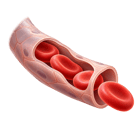 95 to 100is normal awake and resting. From 95 up, a higher number isn't healthier blood.
 About 90was the lowest point of a healthy night in a sleep lab, so one dip on your watch tells you very little.
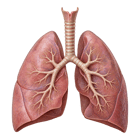 92 or lowerawake and resting means call your doctor. 88 or lower means get care now.
What's a good blood oxygen level?
Height and weight
Left blank, the tool uses a BMI of 25.
Call 911 if you have trouble breathing, chest pain or pressure that doesn't go away, new confusion, can't stay awake, or your lips, nail beds or skin look pale, gray or blue, whatever the number says.
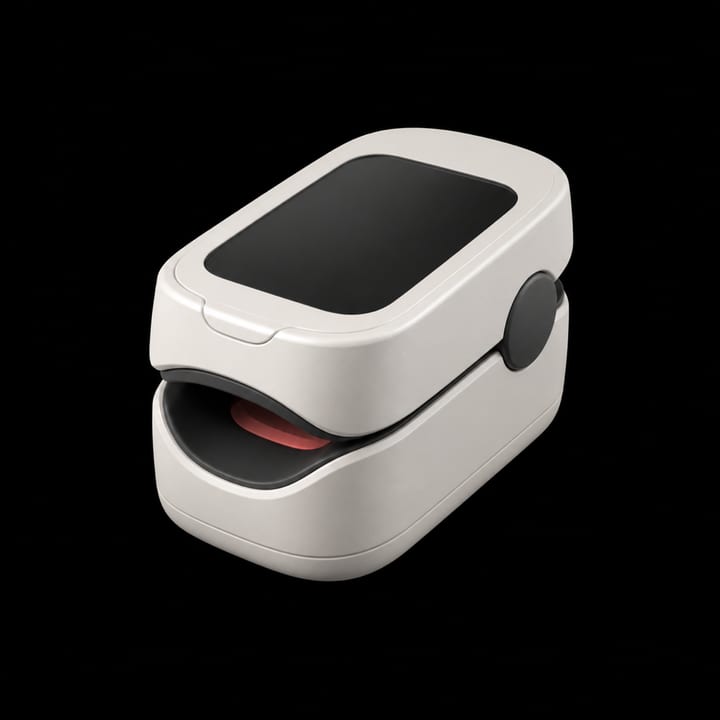
95 awake and resting on a finger oximeter, at sea level
Awake and resting, 95 to 100 is in the normal range.
- ElevationAt sea level, your elevation explains nothing here.
- AgeAt 40, your age is the reference, so it explains nothing.
- DeviceYour oximeter can be off by about 3 points here.
Next step. Nothing to do for this number. Go by how you feel.
Pulse oximeters can show too high on darker skin. In hospital patients whose oximeter showed 92 to 96, true oxygen was under 88 for 11.7% of Black patients' readings and 3.6% of White patients'.
A cleared finger oximeter has to stay within about 3 points on average (the FDA's limit). Cold hands, dark polish and darker skin can push it off.
Why are you here?
Pick the reason closest to yours. Each one goes straight to the page that answers it.
-
 A number to look upWhat 96, 94, 92 or 88 means awake and asleep
-
 My watch showed a low nightWhy it dips in your sleep, and when a dip is normal
-
 I'm sick and checking itA cold, the flu or COVID, and the numbers that mean call
-
 A trip somewhere highSki towns, Cusco or a trek, paced by where you sleep
-
 Snoring, or pauses in my sleepWhen a low night is a reason to ask for a sleep study
-
 My watch sent a sleep apnea alertWhat it measured, how often it catches apnea, what to do
- Is my watch right?How far a watch can be off, and where it fails
-
 I live up highDenver and other high towns, awake and asleep
-
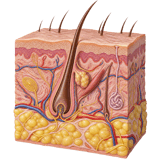 My skin is darkerWhy oximeters can show too high, and what to do about it
- Buying an oximeter or a watchWhat a cheap finger clip is good for, and its limits
-
 Checking on a parentWhat age does to the number, which is very little
-
 Drinks before bedWhat a drink does to tonight and tomorrow night
-
 I want to raise it naturallyWhat your body does on its own, and what helps at night
-
 I smoke or vapeWhy smoke can make the number look better than it is
-
 Fitness and VO2 maxTwo oxygen numbers that mean very different things
- I want the whole chartNormal by age, asleep and by elevation, in one place
The questions people ask
Is my number normal?
 Blood oxygen level chart: what's normal by age, asleep and at altitude?Awake, 95 to 100 is normal at every adult age. A watch's night runs about a point lower, age barely moves it, and elevation moves it most. All of it in four charts.
 Is VO2 max the same as blood oxygen?No. Blood oxygen is how full your blood is, near the top in healthy people. VO2 max is how much oxygen your body can use flat out, and training raises it.
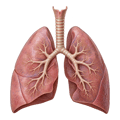 What are the symptoms of low blood oxygen?The ones that mean call 911: trouble breathing, chest pain or pressure, new confusion, or lips, nails or skin that look gray or blue, whatever the number says.
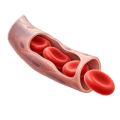 What counts as low blood oxygen?Awake and resting, under 95 is below normal, 92 or lower means call your doctor, and 88 or lower means get care now. Asleep and up high, lower is normal.
 What does SpO2 mean?It's your blood oxygen as a sensor measures it: how full your red blood cells' oxygen seats are, seen by light through your skin. 95 to 100 is normal awake.
- What's a normal blood oxygen for my age?About the same at every adult age. In 33,080 watch wearers, 20 years of age lowered the night average by under 1 point. Where you live moves it more.

While you sleep
 Can losing weight help sleep apnea?Yes. In a year-long trial in adults with obesity and apnea, tirzepatide cut breathing events by about 25 an hour against 5 on placebo, as weight fell about 18%.
 Does alcohol lower your blood oxygen at night?Yes, a little. In 14 trials it took about 0.6 points off the night's average and 1.25 off its lowest point, and snorers got more pauses. It can last into the next night.
 Does sleeping on your back lower your oxygen?It can if your airway narrows. In 12,036 sleep-center patients with apnea, two in three were worse on their back. Side sleeping is a cheap three-night test.
 How can I raise my blood oxygen naturally?Your body keeps it near full on its own. If your nights run low, skip late drinks, sleep on your side, lose weight if you snore, don't smoke and go up mountains slowly.
 How do I know if I have sleep apnea?Only a sleep study can tell. Doctors ask about loud snoring, pauses someone has seen, daytime sleepiness and high blood pressure. Seen pauses alone are reason to ask.
 Is it normal for oxygen to drop to 88 while sleeping?Once, yes. Healthy sleepers' lowest point averaged about 90, and plenty dip lower. If it keeps happening, or someone sees you stop breathing, ask about a sleep study.
 What does the Apple Watch sleep apnea notification mean?That its motion sensor saw signs of breathing disturbances on enough nights over 30 days. It isn't a diagnosis. Take it to your doctor and ask about a sleep study.
- What is normal blood oxygen while sleeping?A watch average around 94 to 98 at sea level, about a point under your daytime number. The lowest dip of a healthy night averaged about 90 in a sleep lab.
- Why does my blood oxygen drop at night?You breathe a little less deeply in sleep, so it dips, lowest around 1 am, and that's normal. Repeated deep dips with loud snoring or pauses are for a doctor.
Watches and oximeters
 Are pulse oximeters less accurate on darker skin?Yes, they can show too high. In hospital patients showing 92 to 96, true oxygen was under 88 for 11.7% of Black patients' measurements against 3.6% of White patients'.
- Does Oura measure blood oxygen?Yes, while you sleep, as a nightly average on the Gen3 and Oura Ring 4, plus a count of suspected dips. Treat it as a trend to compare with your own nights.
- How accurate are finger pulse oximeters?Within a few points when oxygen is normal, worse when it's low. A medical-grade one was off by about 3.5 points below 88. Cold hands, polish and darker skin push it off.
- How accurate is Apple Watch blood oxygen?Good enough to follow your own nights, but not to judge a low one. Below 88, a Series 7 showed too high by about 6 points in 9 young adults. Apple says it isn't medical.
 How do I measure my blood oxygen correctly?Sit still, warm your hands, take off dark polish or fake nails, keep your hand below your heart, and wait for one steady number. Then judge it with how you feel.
- Should I buy a pulse oximeter?If you'll use it well. A finger oximeter is fine for spot checks if you know its limits: it can show too high on darker skin and cold hands. How you feel comes first.
- Why does my watch show a different number than my oximeter?They measure differently: a finger clip shines light through you, a watch bounces it off your wrist and samples now and then. Compare each one with itself.
Altitude and travel
 How do you prevent altitude sickness?Go up slowly by where you sleep: not over 9,000 feet the first night, then no more than 1,650 feet higher a night above 9,800, with a rest night every 3,300.
 How high is too high to sleep?Risk starts at about 8,000 feet: a quarter of visitors sleeping above it in Colorado get altitude sickness. From low ground, keep the first night under 9,000 feet.
 What are the symptoms of altitude sickness?A headache with nausea, tiredness or dizziness, usually 2 to 12 hours after you arrive. Don't go higher with symptoms, and go down if they get worse.
 What oxygen level should I expect in Cusco?Well below your number at home, and past where watch norms stop. Cusco sits at about 11,000 feet, and flying in from the coast breaks the CDC's first-night line.
- What's a normal oxygen level in Denver?About 93 to 98 awake and 92 to 96 asleep on a watch for a 40-year-old, 1 to 2 points under sea level, because each breath carries about 82% of the oxygen.
- What's normal blood oxygen at altitude?Lower, and more spread out. Watch nights fall about 1.2 points per 3,300 feet up to about 8,000 feet, then faster. Up high, symptoms tell you more than the number.
When to get help
 Does smoking affect pulse oximeter readings?A little. Smoke puts carbon monoxide in your blood, which a regular oximeter can't measure, and it can make oxygen look higher. In everyday smokers the error looks small.
- Should I check my blood oxygen when I'm sick?Yes, a finger oximeter is a useful second check, after how you feel. Sit still with a warm hand, write each number down, call at 92 or lower and go now at 88.
Myth or fact?
 Not the way you think
Anything under 95 means something's wrong
 No
A healthy blood oxygen is 100%
 Sort of
A normal reading means your oxygen is fine
 No
Your watch is as good as a medical oximeter
 Not the way you think
Deep breaths will raise your blood oxygen
 No
Your oxygen number tells you if you have altitude sickness
 No
One low night means you have sleep apnea
 Sort of
Snoring is just noise
Quick calculators
Your number, explained
Any reading, awake or overnight, on your device at your elevation: where it sits and what to do next.
Oxygen by elevation
Pick a town or an elevation: the oxygen in each breath, a normal night there and the risk of sleeping that high.
Is my trip going up too fast?
Each night's sleeping elevation against the CDC's pacing rules, the one change that fixes most, and a morning check.

Which device?
What a finger oximeter, a watch or a ring records, how far off each can be, and why two of them disagree.
The three-night check
A dated card for the next three nights: what to note each morning and when to bring it to a doctor.
Every number from 85 to 100
Tap a number: what it means awake, as an overnight average and as the lowest point of a night.
Every number, from 85 to 100
Tap yours: what it means awake, as an overnight average and as the lowest point of a night.
Things to tell people at dinner
- 1972A Japanese engineer trying to cancel out the pulse in an ear sensor realized the "noise" was the measurement.
 1 amis when blood oxygen sits lowest, and 11 am highest, in 33,080 Apple Watch wearers.
- 27 yearsof getting older lowers a night as much as living a kilometre (about 3,300 feet) higher.
- 69%of the oxygen in each breath at 10,000 feet, though the air is still about 21% oxygen.
- 3 timesas often, true oxygen was under 88 in Black patients whose finger oximeter showed 92 to 96.
 Next nightOne evening of drinking kept men's oxygen dips raised the night after too, with no more alcohol.
 1 in 4visitors to Colorado ski towns get altitude sickness, and their oxygen number usually looks normal for the altitude.
The guide
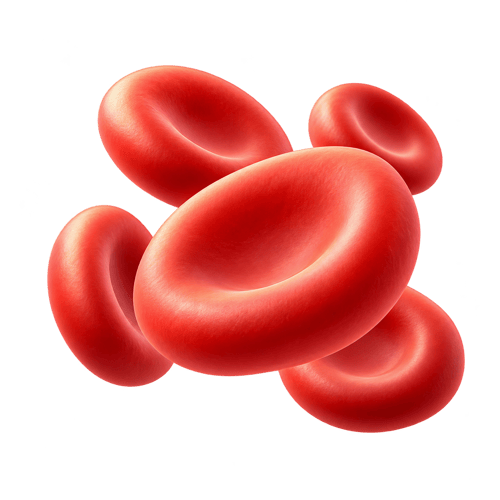
Your blood oxygen is a smoke alarm
Healthy blood sits near full, so don't chase 100. It dips in sleep and up high, it can miss real trouble, and three lines tell you what to do, 92, 88 and 911.
 What does your blood oxygen number mean?
 How does a watch see oxygen through your skin?
 What's a normal blood oxygen when you're awake?
 What's normal while you sleep?
 What happens to your blood oxygen at altitude?
 How far can you trust the number?
 When does a low night mean a sleep study?
 What changes your blood oxygen, and by how much?
 When is a low number an emergency?